
English Bulldogs: What's Good About 'Em, What's Bad About 'Em
English Bulldog temperament, personality, training, behavior, pros and cons, advice, and information, by Michele Welton, Dog Trainer, Behavioral Consultant, Author of 15 Dog Books
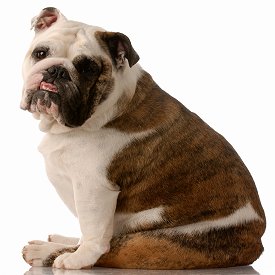
Most breed clubs call this breed simply Bulldog. But he is also referred to as English Bulldog or British Bulldog to distinguish him from other bulldog-type breeds such as the French Bulldog or American Bulldog.
The AKC Standard says the disposition of the English Bulldog should be "equable and kind, resolute and courageous.... demeanor should be pacific and dignified."
In other words, the English Bulldog is one of the most amiable of all breeds. Despite his gloomy mug.
Bulldog puppies are frisky, but adults are quiet and rather phlegmatic, spending much of the day snoring on the sofa. But they definitely need some exercise to stay fit, preferably walks in cool weather.
Some English Bulldogs are friendly with strangers, while others are politely reserved.
Though not a barking watchdog, his blocky build and his rolling, shuffling gait give intruders pause. It takes a tremendous amount of serious teasing or threatening to provoke this sweet-natured breed, but once aroused, he can be a force to reckon with.
His tenacity and resolve mean that it's difficult to change his mind once he decides to do something.
Usually peaceful with other pets, some male Bulldogs may engage in a battle of wills (or jaws) with other males.
Though stubborn, the English Bulldog is surprisingly sensitive, remembers what he learns, and responds well to patient, persistent training.
If you want a dog who...
- Is moderately-sized – built low to the ground but very heavy
- Has a short easy-care coat that comes in many colors
- Is easygoing and dependable with most of the world
- Doesn't need much exercise and spends much of the day snoring on the sofa
- Seldom barks
An English Bulldog may be right for you.
If you don't want to deal with...
- Tenacious stubbornness if he decides he really, really doesn't want to do something
- Serious food possessiveness – Bulldogs should not be fed around small children or other pets
- Shedding
- Snorting, snuffling, wheezing, grunting, loud snoring
- Slobbering and drooling
- Gassiness (flatulence)
- A multitude of health problems, a short lifespan, and sky-high vet bills
- High cost ($1000 and up)
An English Bulldog may not be right for you.
 |
Dog Breed Traits – Which Traits Are Right For You? In this brand new series, I'll help you decide which dog breed traits would best suit you and your family, your home and yard, and your lifestyle, so you can choose the best dog breed for your family. |
Keep in mind that the inheritance of temperament is less predictable than the inheritance of physical traits such as size or shedding. Temperament and behavior are also shaped by raising and training.
FREE eBooks by Michele Welton
 "Respect Training for Puppies" and "Teach Your Dog 100 English Words" are free step by step guides to teaching your pup to be calm and well-behaved.
 "11 Things You Must Do Right To Keep Your Dog Healthy and Happy" is a free guide to keeping your dog mentally, physically, and emotionally happy and healthy so you can enjoy a longer lifetime of companionship.

- You can avoid some negative traits by choosing an ADULT dog from an animal shelter or rescue group. With an adult dog, you can easily see what you're getting, and plenty of adult Bulldogs have already proven themselves not to have negative characteristics.
- If you want a puppy, you can avoid some negative traits by choosing the right breeder and the right puppy.
More traits and characteristics of the English Bulldog
If I was considering an English Bulldog, I would be most concerned about...
- Stubbornness. Despite their sweetness, most English Bulldogs are very stubborn. You must show them, through absolute consistency, that you mean what you say. On the plus side, once Bulldogs mature, they seldom get into real trouble.
To teach your Bulldog to listen to you, follow my free online training programs.
- Possible animal aggression. Most Bulldogs get along very well with other pets in the family. However, some Bulldogs may act aggressively toward other dogs of the same sex. And some Bulldogs do not get along with cats.
All bulldog-type breeds can be possessive of their food bowl. Don't feed them in the presence of children or other animals.
- Shedding. Bulldogs shed more than you might think! Their short, coarse hairs stick tenaciously to your clothing and furnishings.
- Bulldog sounds. Though they don't bark much, English Bulldogs are far from silent. Because of their deformed face, they go through life snorting, snuffling, wheezing, grunting, and snoring loudly. Some people find these sounds nerve-wracking; others find them endearing. I'm sure if it was up to the dog to choose, he would prefer to breathe normally.
- Slobbering. Most people are not prepared for how much English Bulldogs slobber and drool, especially after eating or drinking.
- Gassiness (flatulence). All short-faced breeds gulp air when they eat, and that air has to go somewhere, after all. However, commercial diets make flatulence worse by including fibrous or hard-to-digest ingredients. Bulldogs who are fed a heavily meat-based diet have much less trouble with gassiness.
- High cost. English Bulldog breeders charge over $1000 for their dogs, often over $1500. They explain that this is to cover their costs of artificial insemination (because most Bulldogs are too deformed to be able to mate without assistance) and C-sections (because the puppies' heads are too over-sized to be born normally). But that's just the beginning of your money outlay, because typically you'll be spending a great deal of money on veterinary care for this breed.
- Serious health problems. It's been said that if you feel like supporting your vet with great chunks of money, get an English Bulldog. They suffer from hip problems, heart problems, and skin problems. Their respiratory system is compromised, so it's even risky to anesthetize them for dental cleanings. In hot weather they should be kept in an air-conditioned environment and supervised during outside activity so they don't over-exert themselves and become overheated.
Honestly? I don't recommend buying an English Bulldog puppy, as that only encourages people to keep breeding unhealthy puppies. If you really want this breed, please consider adopting an adult Bulldog who desperately needs a home. Provide the best life you can for him, managing his health problems as they occur. You can ward off some health issues by following the advice on my Bulldog Health Page.
 About the author: Michele Welton has over 40 years of experience as a Dog Trainer, Dog Breed Consultant, and founder of three Dog Training Centers. An expert researcher and author of 15 books about dogs, she loves helping people choose, train, and care for their dogs.
My best-selling books – now available FREE on my website
 Respect Training For Puppies: 30 seconds to a calm, polite, well-behaved puppy is for puppies 2 to 18 months old. Your puppy will learn the 21 skills that all family dogs need to know. Click here to read for free.
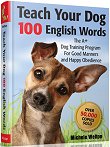 Teach Your Dog 100 English Words is a unique Vocabulary and Respect Training Program that will teach your adult dog to listen to you and do what you say. Click here to read for free.
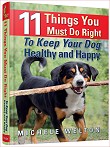 11 Things You Must Do Right To Keep Your Dog Healthy and Happy helps your dog live a longer, healthier life. Get my honest advice about all 11 Things before you bring home your new puppy, because some mistakes with early health care cannot be undone. Click here to read for free.
Related posts you might enjoy