
Norwegian Buhunds: What's Good About 'Em, What's Bad About 'Em
Norwegian Buhund temperament, personality, training, behavior, pros and cons, advice, and information, by Michele Welton, Dog Trainer, Behavioral Consultant, Author of 15 Dog Books
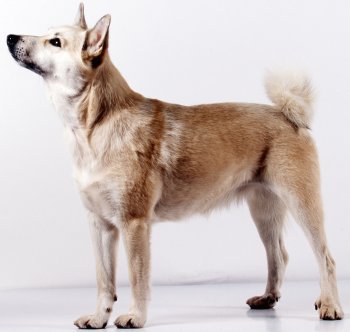
The Norwegian Buhund is a happy-go-lucky dog who plays vigorously, yet is light on his feet and very agile. Because the Buhund was bred to work all day (he is a herding breed), you must provide plenty of physical exercise and mental stimulation. Agility classes are a great outlet for his energy and enthusiasm. Also hiking, and chasing balls and frisbees.
The Buhund is not a breed to leave alone all day. He likes to be at the center of his family, demanding (and offering) a great deal of companionship.
Most Norwegian Buhunds are polite (or a bit wary) with strangers. With their keen senses and watchful attitude, they make dependable alarm dogs – sometimes too dependable, i.e. barking can easily get out of control. To make matters worse, the Buhund has a rapid, high-pitched bark that can set your teeth on edge.
Norwegian Buhunds are usually fine with other family pets if raised with them.
This breed is less headstrong and more willing to work with you, compared with other spitz breeds. (A spitz is a type of dog with a thick furry coat, pricked ears, curled tail, and foxy face.) But he still has an independent mind of his own, and may use his intelligence in clever ways that suit his own purposes. Yet owners who know how to lead will find him eminently trainable.
If you want a dog who...
- Is a medium-sized dog from the spitz family
- Is both sturdy and athletic, an agile dog who is light on his feet
- Is less willful than other spitzes
- Plays vigorously, and likes a lot of outdoor exercise
- Makes a keen watchdog, but is not aggressive
A Norwegian Buhund may be right for you.
If you don't want to deal with...
- Vigorous exercise requirements
- Destructiveness and barking when left alone too much
- Suspiciousness toward strangers when not socialized enough
- Mind of his own, requiring a confident owner who can take charge
- Lots of barking
- Lots of shedding
- Waiting lists (hard to find) and a high price tag
A Norwegian Buhund may not be right for you.
 |
Dog Breed Traits – Which Traits Are Right For You? In this brand new series, I'll help you decide which dog breed traits would best suit you and your family, your home and yard, and your lifestyle, so you can choose the best dog breed for your family. |
Keep in mind that the inheritance of temperament is less predictable than the inheritance of physical traits such as size or shedding. Temperament and behavior are also shaped by raising and training.
FREE eBooks by Michele Welton
 "Respect Training for Puppies" and "Teach Your Dog 100 English Words" are free step by step guides to teaching your pup to be calm and well-behaved.
 "11 Things You Must Do Right To Keep Your Dog Healthy and Happy" is a free guide to keeping your dog mentally, physically, and emotionally happy and healthy so you can enjoy a longer lifetime of companionship.

More traits and characteristics of the Norwegian Buhund
If I was considering a Norwegian Buhund, I would be most concerned about...
- Providing enough exercise and mental stimulation. Norwegian Buhunds are not couch potatoes who are content to hang around with nothing to do. These herding dogs need regular opportunities to vent their energy and do interesting things. Otherwise they will become bored, which they usually express by chewing destructively and barking.
- Providing enough socialization. Standoffish by nature, Norwegian Buhunds need extensive exposure to people and to unusual sights and sounds. Otherwise their natural caution can become suspiciousness.
- Barking. I've mentioned this trait several times, for a reason. Norwegian Buhunds are vocal dogs! Their intense, high-pitched bark and keen watchfulness means you cannot leave this breed outside without supervision. Your neighbors will either call the police, or quietly let your Buhund out of his yard to get lost.
- Shedding. Like all spitz breeds with a thick double coat, Norwegian Buhunds shed a good deal. Be sure you're okay with this.
- Mind of their own. Although very trainable in the right hands, Norwegian Buhunds have an independent mind of their own and are not pushovers to raise and train. You must show them, through absolute consistency, that you mean what you say.
To teach your Buhund to listen to you, "Respect Training" is mandatory. Follow my free online training programs.
- Finding one and paying the price. In the United States, a Norwegian Buhund is hard to find and expensive.
 About the author: Michele Welton has over 40 years of experience as a Dog Trainer, Dog Breed Consultant, and founder of three Dog Training Centers. An expert researcher and author of 15 books about dogs, she loves helping people choose, train, and care for their dogs.
My best-selling books – now available FREE on my website
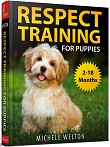 Respect Training For Puppies: 30 seconds to a calm, polite, well-behaved puppy is for puppies 2 to 18 months old. Your puppy will learn the 21 skills that all family dogs need to know. Click here to read for free.
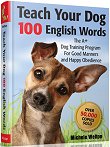 Teach Your Dog 100 English Words is a unique Vocabulary and Respect Training Program that will teach your adult dog to listen to you and do what you say. Click here to read for free.
 11 Things You Must Do Right To Keep Your Dog Healthy and Happy helps your dog live a longer, healthier life. Get my honest advice about all 11 Things before you bring home your new puppy, because some mistakes with early health care cannot be undone. Click here to read for free.
Related posts you might enjoy